

Debunking common myths + helpful advice
 In our mid-June newsletter, we reported that more than 90% of Hurricane Helene and Milton claims were now closed, with 56% of Helene residential claims closed without payment, and about 43% of Milton claims so closed. While most of those were closed due to non-covered flood damage or damage below the policy deductible, I wanted to follow-up, as this latest claims data is revealing the growing amount of uninsured damage from the storms. But I think it also shows a bigger problem: too many properties in Florida are underinsured. So I sat down with two industry veterans − Lee Wiglesworth, President of Wiglesworth-Rindom Insurance Agency in Stuart, Florida, and Fraser Hudson, CEO of Lozano Insurance Adjusters of St. Petersburg. We recorded our conversation as the latest episode of The Florida Insurance Roundup podcast. They shared their views on why this is happening, how to determine proper coverage this hurricane season, and improvements in claims processes and technology.
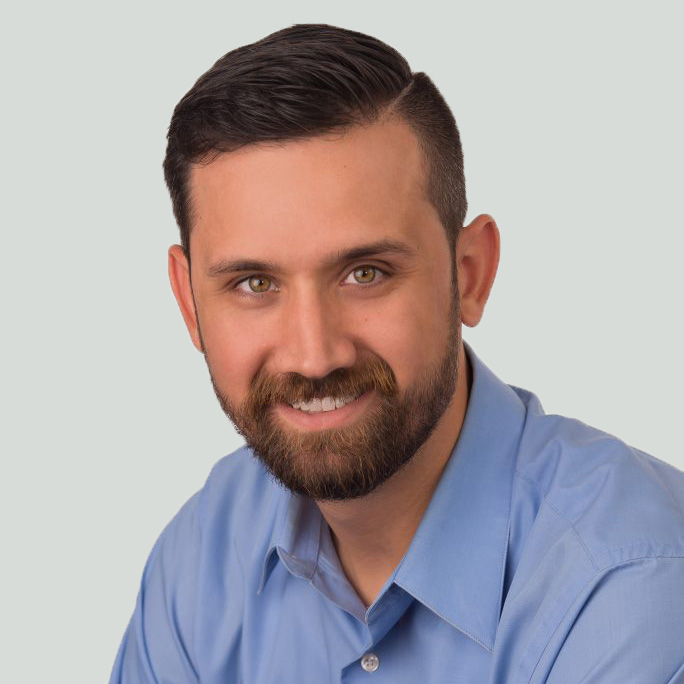
Lee Wiglesworth, President, Wiglesworth-Rindom Insurance Agency
“We have too many residents without flood insurance, and if you just have hurricane coverage on your homeowner’s policy, without flood insurance, you’re not fully covered for a hurricane,” said Wiglesworth, who has more than 20 years of experience as an agent. “I also know that homeowners don’t fully understand their coverages, their policy, or how their deductible works, and that we as agents need to do a better job of educating and explaining and working past some of those misconceptions.”
Hudson said the biggest reaction he sees from homeowners is regret – when they realize there’s a big price to pay for not having flood insurance. “Two inches of water is going to damage your floors. It can damage your walls, damage your cabinets, damage your furniture, and you could very easily end up $100,000 in debt, having to pay for all that out of pocket, when you could have paid $500 a year to be covered,” he said. Like me, he advocates for purchasing flood insurance, whether you live in a so-called FEMA flood zone or not, as flooding can and does happen in all zones.
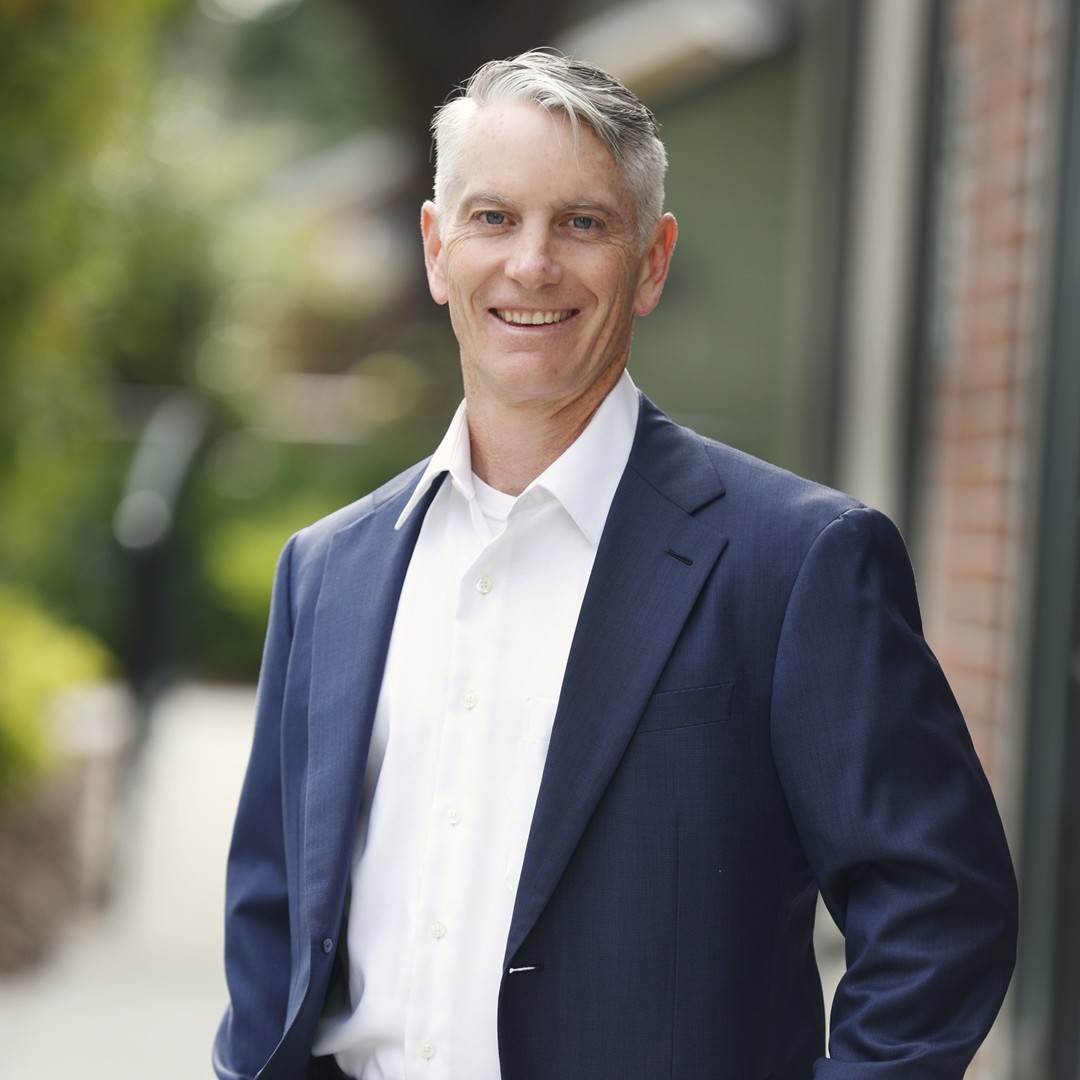
Fraser Hudson, CEO, Lozano Insurance Adjusters
We also discussed the impressive performance of insurance carriers: Only about 10% of the nearly 122,000 claims to date are still open. Part of the recent legislative reforms require companies to address claims within 60 days rather than the previous rule of 90 days.
I also asked whether the lower claims counts could lead to a shortage of adjusters, who may be leaving the profession for jobs in other fields. “Some adjusters are retiring out of the business and some may be looking for jobs elsewhere,” agreed Hudson, who serves as a strategic partner to Citizens Property Insurance Corporation. The key now will be to apply recently developed technologies “to make adjusters more efficient and make them more accurate,” he said. He explained how using AI to take First Notice of Loss calls is creating greater efficiency and freeing up adjusters to provide better reviews; and how AI is also assisting in policy-specific letter writing.
Both Hudson and Wiglesworth spent considerable time on the right way to go about determining proper insurance coverage, a task that agents can’t always do adequately on their own, depending on the property.
I hope you’ll listen to the podcast and read the comprehensive show notes and share it with others. Wiglesworth and Hudson dissect the data, debunk common myths, and offer actionable advice for insurance agents and Florida policyholders facing the daunting world of insurance claims. From claims to coverage, they discussed what every Florida property owner must know after hurricanes Helene and Milton, while providing revealing insight into Florida’s insurance landscape.
 LMA Newsletter of 7-14-25