

Plus, Congress’ proposed FEMA fix
 Forecasters adjust expectations for the rest of the 2025 hurricane season, a bipartisan FEMA reform bill emerges in Congress, and the My Safe Florida Home program opens applications with $280 million to help homeowners get ahead of the storms. It’s all in this week’s Disaster Management Digest.
 Hurricane Season Update: It’s been a sleepy hurricane season thus far, with four named storms but no Atlantic hurricanes. However, the peak of the season is still ahead of us. NOAA has slightly lowered its predictions: it’s now calling for 13-18 named storms (down from 13-19) and five to nine hurricanes (down one). NOAA is still forecasting an above average season but the chance of that has also diminished to 50% (from 60% originally). Factors include above average sea surface temperatures and an active monsoon in West Africa, but without an El Niño or La Niña in effect this summer, the wind shear sits around average. Colorado State University’s updated forecast hasn’t budged – 16 named storms and 8 hurricanes – albeit with “lower-than-normal confidence” now because of “Caribbean shear” this summer associated with less active hurricane seasons. We urge readers to follow the National Hurricane Center as tropical activity this week may produce the season’s first Atlantic hurricane.
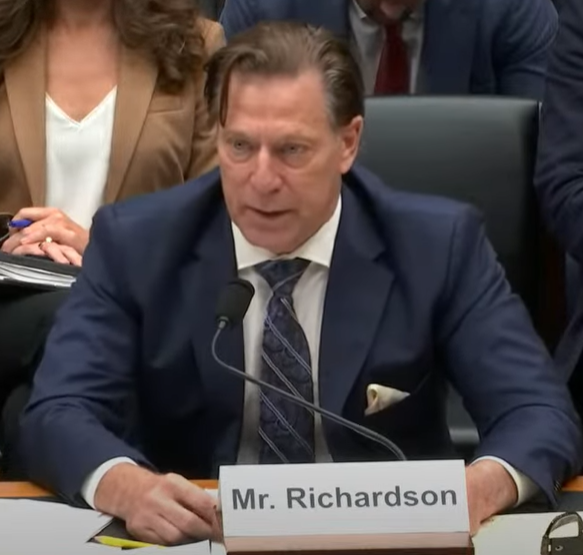
FEMA Acting Director David Richardson testifies before Congress on July 23, 2025, just prior to introduction of the “FEMA Act”
Congress’ FEMA Fix: FEMA has been experiencing quite a shakeup in recent months, with rumors ranging from complete shutdown to renaming after the FEMA Review Council was established. Now, Transportation and Infrastructure (T&I) Committee leaders have introduced legislation in the U.S. House that would bring robust change to the agency – called the Fixing Emergency Management for Americans Act (H.R. 4669) or “FEMA Act” for short. Steered by the bipartisan duo of T&I Committee Chairman Sam Graves (R-MO) and Ranking Member Rick Larsen (D-WA), the text mirrors the structure of the Stafford Act and focuses on streamlining FEMAs efforts and allocations of funds. It establishes FEMA as a cabinet-level agency out from under DHS, switches to project-based grants instead of reimbursements, and replaces the current patchwork of disaster aid forms with a universal application housed at a one-stop web portal. The bill cuts through other restrictive red tape, clarifies the denial and appeal process, and simplifies procurements so communities can recover faster when disaster strikes. Meanwhile, a federal judge has granted an injunction on behalf of the 20 states who sued FEMA over pulled funding from the Building Resilient Infrastructure and Communities (BRIC) program, stopping the $4 billion from being reallocated. Under the FEMA Act, BRIC has been reformed and placed under review, not canceled. You can read more about specific changes in the committee’s press release and a section-by-section summary. Sections impacting insurance are: 106, 107, 114-117, 208, 302-308, and 410-412.
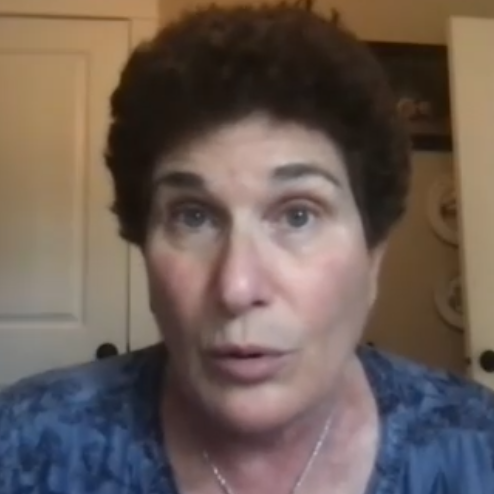
Lisa Miller shares tips on using the My Safe Florida Home program, August 4, 2025. Courtesy WJXT-TV, Jacksonville
Homeowners Helping Themselves: Applications are now open for homeowners wanting a share of the $280 million recently allocated by the Florida Legislature for the My Safe Florida Home (MSFH) program. The program provides free home inspections and matching grants (at a 2:1 rate) to help fortify homes against hurricanes. Low-income homeowners receive initial priority during the two-step application process.
I spoke at length about the program and its importance in a recent television interview to News4Jax. I stressed the ways we can strengthen our homes – the two most important features are the openings (windows, doors, and garage door) and the roof. The MSFH program offers wind-certification inspections and up to $10,000 in grant money for critical hurricane-resistant home upgrades, including things like fixing shingles or replacing an old asphalt roof. I urged viewers to at least apply for the wind certification inspection, as the resulting insurance discounts can amount to 30% to 40% of the premium. Doing so also brings peace of mind that your home is storm ready and greater confidence that you can ride out of the storm unless there is a mandatory evacuation. We here at LMA are praying everyone has a safe storm season!
 LMA Newsletter of 8-11-25