

Plus, storm preparation gaps
 Lawmakers question FEMA leadership in new testimony, federal storm aid money is still flowing to Florida even among the uncertainty, and a survey suggests a large gap between homeowner confidence and actual storm preparedness. It’s all in this week’s Disaster Management Digest.
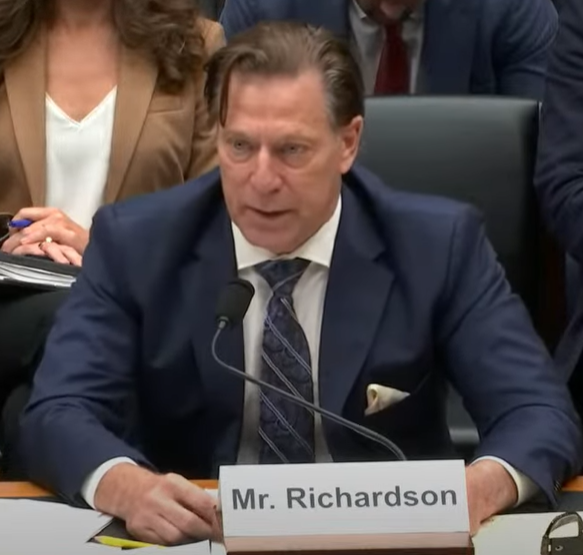
FEMA Acting Director David Richardson testifies before Congress on July 23, 2025
FEMA Testimony: Acting FEMA director David Richardson testified last week before a U.S. House subcommittee that federal response to the recent devastating Texas floods was a “model” for future disaster response efforts. However, some members of the committee felt that the situation was mishandled by FEMA – the most recent in a long line of contentious moments for the federal agency, after months of debate oscillating between elimination and reform. In fact, FEMA’s urban search and rescue chief, Ken Pagurek, announced his resignation amidst the July 4 Texas flood response delays – where some accounts say FEMA management took over a week to step foot in the disaster zone. New top-down policies are also a factor, as all disaster relief contracts over $100,000 now require direct approval from Homeland Security Chief Kristi Noem. Rep Greg Stanton (D-AZ) was one of the most outspoken critics of this policy, stating “(this) bottleneck delayed urban search and rescue teams for more than 72 hours,” while members of the agency and President Trump called it the “best FEMA response ever.” Richardson’s outlined proposed FEMA changes in three steps: cut the bureaucratic red tape on assistance, develop a local and state-managed response and recovery model that positions FEMA as a last resort when states are overwhelmed by a disaster, and leverage technology to increase “operational readiness.” More in this transcript of the hearing, courtesy of the DRCA.
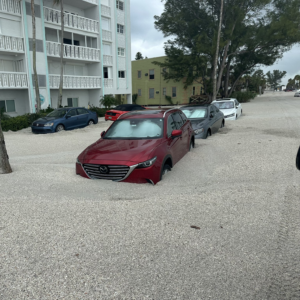
Cars were engulfed in sand on several streets in St. Petersburg Beach from Hurricane Helene’s storm surge, September 28, 2024. Courtesy, Pinellas County Sheriff’s Office
Florida Still Funded: When it comes to FEMA’s beneficiaries, none are higher on the list than the Sunshine State. The Palm Beach Post reports that over the last 14 years, FEMA has helped Florida with 21 major disasters – three of which were last year’s hurricanes Debby, Helene, and Milton. What remains is a complicated discussion about how to phase FEMA out of its current role in disaster recovery, especially in states with billions of dollars actively being paid out. As of July 14, FEMA reported sending $1.6 billion in individual assistance to Floridians, $1 billion in aid to state and local governments, and $7.1 billion in federal flood insurance settlements on nearly 75,000 property damage claims. You can read more in the Post’s article, including the story of one Steinhatchee River area native who was able to get her boat and shack rental business back up and running only 36 days after Hurricane Helene, and has high praise for FEMA’s response. This and the Texas floods paint a complicated picture of FEMA’s efficiency – one that will be examined in detail under the recently established FEMA Review Council, whose report is due to President Trump in November. The council and its subcommittees have a federal study due to the President in November.
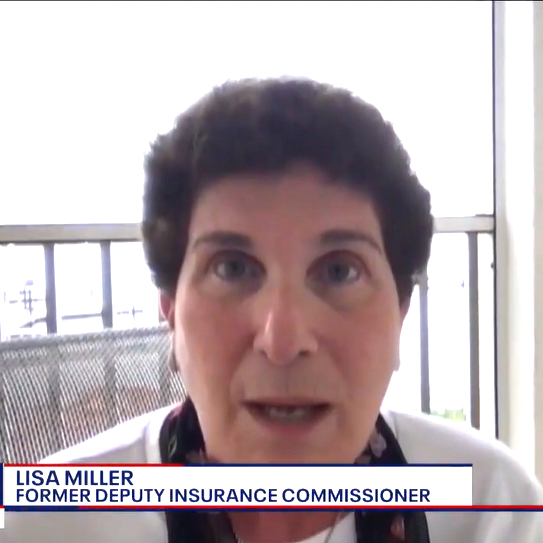
Lisa Miller shares advice on necessary pre-hurricane preparation, July 22, 2025. Courtesy, WTVT-TV Fox 13 Tampa
Overconfident + Overexposed: Despite 90 major disaster declarations in the U.S. in 2024, it appears that many homeowners are not taking the necessary steps to protect their most important asset – their home. A survey by insurance agency Guardian Service shows the numbers:
- 40% of surveyed homeowners said they were well prepared for extreme weather, but 38% have never spoken to their insurance company about their coverage, and one in four haven’t reviewed their policy in more than a year or can’t remember if they have.
- One in three homeowners haven’t taken any protective steps (33%), and nearly half of them (46%) say it’s because they don’t think their area is at risk, even when they’ve acknowledged local threats.
- 35% cited cost as the most significant hurdle in their emergency preparedness, 26% said they are unsure of what steps to take, and 15% believe their insurance will fully cover damage – which is sadly not the case.
I was interviewed by Fox 13 Tampa and shared some advice on the issue: First things first, get insurance coverage if you don’t already have it. Next, evaluate your roof and windows for storm-worthiness. Then, compare the cost of rebuilding to your Coverage A limit by consulting a contractor. Is it enough to cover the cost of rebuilding? According to Guardian Service, 61% of homeowners said they would rely on debt, loans, or families to help pay for repairs. But at a time when FEMA and other federal funds have an uncertain future, you should cover your own risks. Lastly, as I always say, if your address says Florida, you need to have flood insurance!
 LMA Newsletter of 7-28-25