

Plus, homeowners’ attitudes toward storms & response
 FEMA and the DRCA sign a landmark agreement to strengthen national recovery efforts in catastrophes, a new report is out on homeowners’ attitudes on catastrophic weather events, and the IRS extends the tax deadline for Floridians affected by recent hurricanes. It’s all in this week’s Disaster Management Digest.
 FEMA and the DRCA Partner-Up: Earlier this month, the Federal Emergency Management Agency (FEMA) and the Disaster Recovery Coalition of America (DRCA) signed a groundbreaking Memorandum of Agreement (MOA) to streamline disaster preparedness and response across the US. The deal marks a convergence of private and public sector goals. Key areas of the agreement include public information sharing for disaster resources and data, operational coordination between the two organizations, and an emphasis on community engagement through programs and other recovery tools. “Disaster recovery is a collective effort,” said DRCA chairman and former FEMA administrator Pete Gaynor, “and this agreement formalizes our partnership with FEMA, enabling DRCA’s member organizations to contribute more effectively to the nation’s disaster preparedness and recovery initiatives.” More than anything, this MOA highlights FEMA’s continued efforts to engage with private sector innovators and cements the DRCA as a trailblazer in the disaster recovery space where it empowers cutting-edge strategies, operational framework, and all levels of disaster management.
Homeowner Attitudes About Storms: The Insurance Research Council (IRC) released its latest report a few weeks ago titled “Catastrophic Weather Events and Mitigation: Survey of Homeowners,” polling over 1,500 homeowners on their experiences and attitudes in regards to managing natural disaster risk, both past and future. In general, homeowners viewed thunderstorms and hail as the most likely candidates to affect their homes, but a whopping 80% felt confident and well-prepared for severe weather events. About half of those surveyed had experienced damage from severe storms, and 64% reported being solicited by contractors afterward. Fewer reported filing claims or actually hiring the contractors – at 34% and 45% respectively. Many relied solely on contractors and adjusters to cover repairs and navigate the insurance claims process. Another key takeaway from the report is that 80% of those surveyed think the government should provide emergency assistance post-disaster, with only 30% being aware of premium savings after implementing their own mitigation measures.
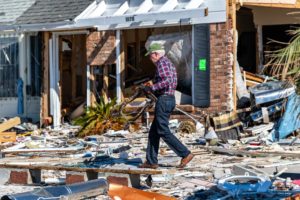
 IRS Extends Tax Deadlines: Here’s another welcome piece of news following hurricanes Helene and Milton. The IRS announced federal tax deadline extensions in the 51 counties under a state of emergency after the devastating storms. In combination with the previous tax relief, that means across Florida, affected taxpayers have until May 1, 2025, to file individual and business tax returns and make the final necessary payments for both the 2024 and the 2023 tax years. This includes anyone with a Florida address on file with the IRS, businesses with their principal address in a disaster-affected area, and all relief workers assisting with recovery in the aforementioned areas. You can find a list of all affected counties here, and further information at the IRS’ disaster assistance and emergency relief for individuals and businesses page. Our hearts go out to all those still picking up the pieces and hopefully this can be a moment of respite after such a terrible 2024 storm season.
 LMA Newsletter of 1-27-25