

New interim director provides some detail
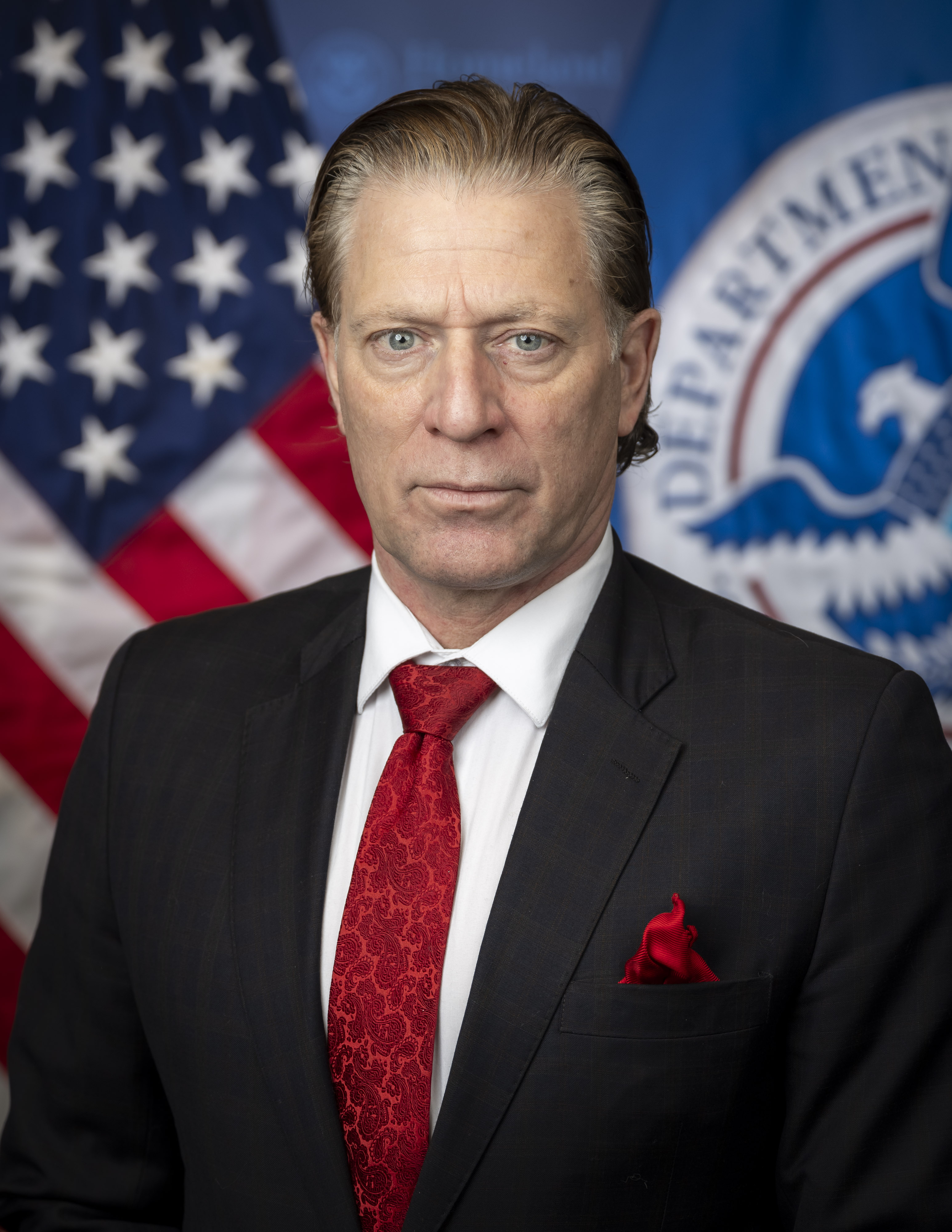
FEMA Acting Administrator David Richardson (DHS photo by Tia Dufour)
FEMA has been under heavy scrutiny from the current administration over the last few months, with many wondering if the agency will be eliminated altogether or simply reposition itself within the disaster recovery and emergency management landscape. Answers recently came from FEMA’s new acting chief, David Richardson, who stated the current intention is to shift much of the post-storm responsibility and “primacy” back to the states, keeping FEMA money as a last resort as a part of an agencywide transformation. The sweeping changes also include the president’s creation of a FEMA review council via executive order in January, complete with 13 members, including Florida Emergency Management Director Kevin Guthrie and Miami-Dade County Sheriff Rosie Cordero-Stutz. The panel is tasked with advising ways to streamline the agency and improve delivery of disaster relief. Its first meeting is to convene tomorrow (May 20).
Richardson insisted that some states, such as Florida and Texas, are adequately prepared for disasters and can serve as an example to other states. He warned that the usual 75% federal cost share on disaster response and repair could change as soon as this summer. Historically, states have led disaster response but still require federal help for major events. Governors approach FEMA for assistance when their state’s resources will be exhausted and wait for presidential approval. The problem is that some states do not always have the capacity to respond to a major disaster; some have already been denied federal assistance this year, including Washington and West Virginia. However, Richardson seemed adamant that FEMA was “to a great degree, ready for disaster season ’25,” and would be submitting a plan to FEMA review council co-chair Kristi Noem, the Secretary of Homeland Security, by this Friday.
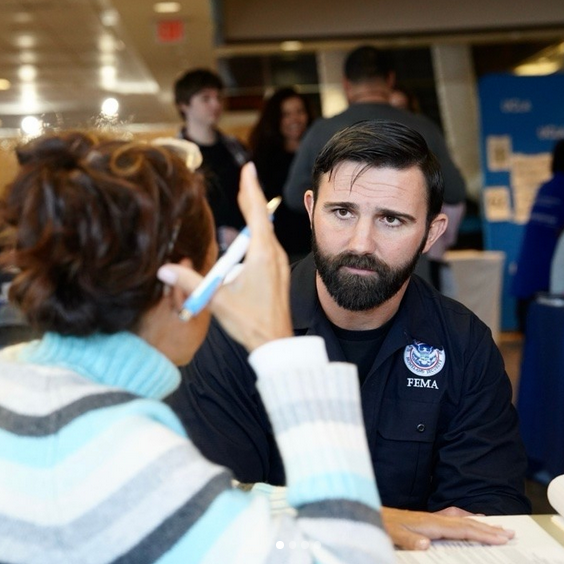
Former Acting FEMA Director Cameron Hamilton. Courtesy, FEMA
Richardson replaced previous acting administrator Cameron Hamilton a day after Hamilton’s recent congressional testimony where he voiced general support for the agency. Our firm took the time to listen to the House Appropriations Subcommittee on Homeland Security hearing, where Hamilton was very engaging with all the members and discussed how we can make FEMA better. When Rep. Rosa DeLauro (D-Connecticut) asked Hamilton about FEMA’s potential elimination, he said, “I do not believe it is in the best interest of the American people to eliminate the Federal Emergency Management Agency.” He later qualified it by saying, “I’m not in a position to make decisions and impact outcomes on whether or not a determination such as consequential as that should be made. That is a conversation that should be had between the president of the United States and this governing body.”
This conversation is indeed happening, as President Trump’s FY 2026 budget recommendations include a $646 million cut to FEMA (PDF page 17), citing “wasteful and woke FEMA grant programs” among a long laundry list of items to overhaul, including the previous administration’s focus on “equity” during emergency relief. The stated goal of these cuts is to “reduce bloat and waste while encouraging States and communities to build resilience and use their unique local knowledge and ample resources in disaster response.”
 LMA Newsletter of 5-19-25