

2026 forecast: better
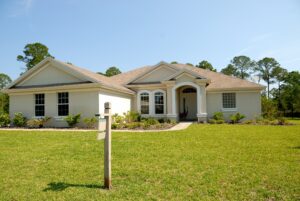 Florida homes have lost value over the past year, but a cooling state housing market has a rebound on the horizon say Realtors, plus three of the cities in Florida where retail is thriving downtown. It’s all in this week’s Florida Economy News.
Home Values Drop: According to Realtor.com data, nine markets in Florida have experienced five-digit drops in home value with a median loss of $10,157 from January 2025 to January 2026. While cushy mansions in Palm Beach are experiencing huge price jumps, countless other places across Florida, like Punta Gorda, Fort Myers, Naples, Vero Beach and The Villages all experienced a loss in home values. In fact, only four of 29 metro areas saw a gain: Arcadia ($511), Palatka ($635), Clewiston ($1,335), and Lake City ($2,427). According to Joel Berner, senior economist at Realtor.com, there are two main factors influencing the change. “The first is that the market is still just correcting itself from the dramatic runup in prices during the post-pandemic buying frenzy … the second is weak housing demand. High prices have kept buyers from being able to afford homes and many have dropped out of the market, allowing listings to sit for sale for longer and get their prices cut,” said Berner. There are also fewer new residents from other states than in recent years. Yet, the number of properties sold year over year is still going up – the number of pending and sold homes has doubled from January 2025 to January 2026.
Sunshine State Cooldown: But there is a bright side to the home value downswing, according to a Florida Realtors survey: improving international economic activity could point to early momentum for the Sunshine State housing market and wider economy. In plain terms, tourism is ticking back up, and as Florida’s housing market returns to its pre-pandemic normal, international buyers are filling the gaps. While inventory growth slowed significantly, even with the aforementioned home value depreciations, the market remains above its pre-pandemic levels. And even though overall demand is down due to mortgage rates, insurance costs, and property taxes, international buyers do not seem to be feeling the heat, with their sales count increasing by 50% between August 2024 and July 2025. The international buyer dollar volume flowing into Florida jumped from $7.1 billion in 2024 to $10.4 billion in 2025, and although still lower than the peak of $15.6 billion in 2020, the trend is showing a renewed sense of investor confidence in the Sunshine State. The buyers come from across the world, but in largest numbers from other parts of the Americas, with Canada ($1.9B), Colombia ($925M), Brazil ($762M), Argentina($627M), and Mexico($489M) leading the pack, concentrated in Central and South Florida, namely Miami-Ft. Lauderdale-West Palm Beach and Orlando-Kissimmee-Sanford metro areas.
South Florida Shopping Spree: While we’re down in South Florida, another emerging economic trend is the resurgence of downtown retail spaces, breathing new life into urban cores in Miami, Fort Lauderdale, and West Palm Beach. Skyrocketing multifamily development means both residential and office space demand in these areas rank among the nation’s highest, as many companies and individuals flocked down south during the pandemic. All the new Floridians needed places to eat and shop, and places like Miami Worldcenter are answering the call. The 300,000-square-foot retail area opened in 2025 and is 97% leased with 90% of the storefronts open for business, offering a blend of lifestyle services, restaurants, and even relatively cheap grocers. Nitin Motwani, a managing partner of Miami Worldcenter Associates explained to the South Florida Business Journal, “People were asking for a grocer in the neighborhood, so we said, ‘Let’s do one,’ … It’s a healthy balance. In some cases, you need to create the service providers that make the neighborhood more interesting and livable.”
Fort Lauderdale’s mixed-use FAT Village project totes a similar story and plan of attack, with its 75,000 square feet of first retailers to open in July, curating a balance of retail and much-needed services for the nearby tenants. Last but not least, West Palm Beach’s CityPlace signed 12 retail deals totaling 150,000 square feet in 2025, expecting a retail boom to coincide with the new residents, workers, and visitors. New office and residential areas mean that many of these South Florida markets, which used to be 9am-5pm downtowns or seasonal attractions, now have nightly and year-round foot traffic and customers who can populate these flourishing retail spaces.
See you on the trail,
Lisa
 LMA Newsletter of 2-17-26