

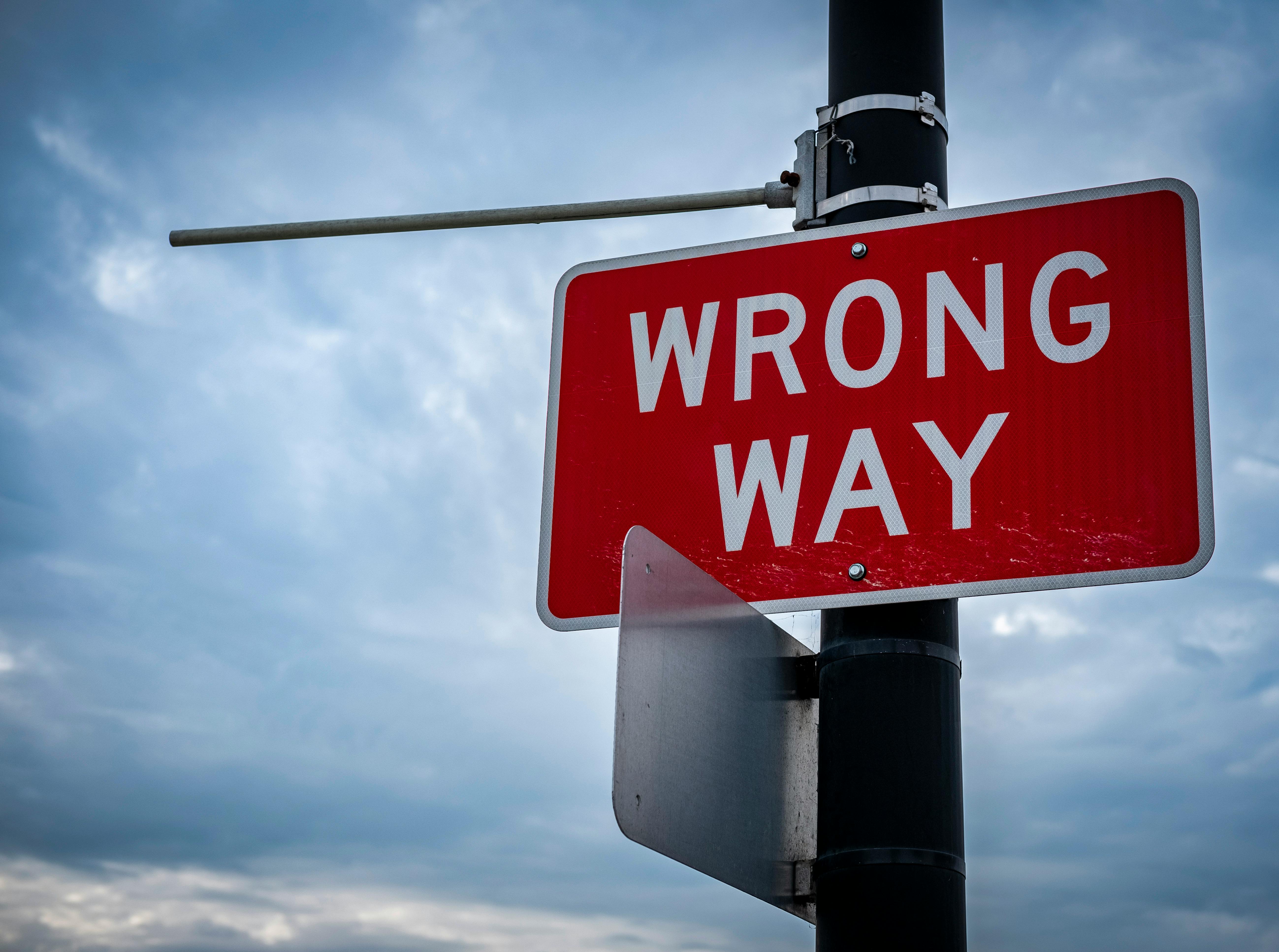
 An alarming trend has revealed itself on Florida highways in recent months, especially in the Tampa Bay area: a large uptick in wrong-way crashes. Reports of drivers heading the wrong way have become more frequent on most major roadways including I-4 and I-75, and the resulting head-on collisions are much more deadly. Fatal wrong-way crashes were reported in January, March, and April of this year, claiming several innocent lives and raising the question, what’s causing this disturbing shift, and how can we stop it?
According to law enforcement and crash investigators, the leading causes of wrong-way accidents are impaired driving, roadway confusion, an aging driver population, and mental/medical emergencies like cognitive issues or a suicide attempt. The overwhelming majority of these wrecks, including the aforementioned January and April crashes, are from drivers under the influence of alcohol or drugs and happen mostly during late-night hours. Roadway signage has become a topic of debate, as some on-ramps and exit ramps on older interchanges lack signs or visibility, making it easier to go the wrong-way, against traffic. Older drivers also account for part of the uptick as they have higher rates of misjudgment behind the wheel.
Wrong-way accidents demand more attention than other car accidents because they have much higher fatality rates due to their high speeds and frontal impacts – serious trauma is almost unavoidable. Florida has taken the reigns and begun to address the problem at both the state and local levels, starting with wrong way detection systems from FDOT that have sensors and flashing lights on off-ramps. Highly reflective signage is another key step in the process to better demarcate the correct ramp for drivers. But perhaps most important are the public awareness campaigns to educate Floridians on the dangers of impaired driving, how to report wrong-way drivers/incidents, and how to protect yourself in these worst-case scenarios.
Beyond the tried-and-true methods of defensive driving and avoiding distractions behind the wheel, attorneys Darrigo & Diaz offer two further suggestions: scan far ahead on the road during peak crash times (nights and weekends), and most importantly, stay in the right lane. This little piece of advice could be live saving for many, as most wrong-way drivers, impaired or not, drift into the left lane, which is on their right. As always, remain vigilant, drive safely, and call 911 immediately if you ever see a vehicle going the wrong way. Our roads are only as safe as we make them.
See you on the trail,
Lisa
 LMA Newsletter of 9-22-25