

Changes in preparation
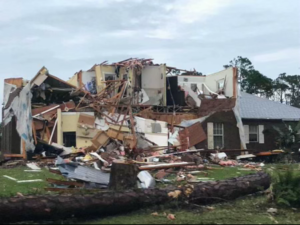
The damage from one of the many deadly tornados that struck St. Lucie County, Florida prior to Hurricane Milton’s landfall in October 2024.
With hurricane season upon us, Florida and other states wait, wondering exactly what FEMA’s new restructuring may mean for future disaster response. Cuts across the federal agency mean about 2,000 employees have been let go and many costs associated with emergency management are to be shifted to the states in an effort to streamline the recovery process.
Florida, for one, says it is well-equipped to handle the upcoming hurricane season, the Miami Herald reports Governor DeSantis saying, “On the core prep, response and then stabilize and get people back to normal, just know that we’ve never relied on FEMA for any of that.” He acknowledged it is still unknown exactly how much of the cost FEMA will cover, and how the funds may or may not be dispersed to states and other localities. One proposal in a leaked memo from former acting FEMA administrator Cameron Hamilton suggested quadrupling federal disaster thresholds, meaning states like Florida could still receive help for big disasters (with all recent big hurricanes qualifying), according to the Herald. But historically, this means 71% of all national emergencies from 2008 to 2024 wouldn’t have qualified for disaster assistance according to a report by the Urban Institute, including events such as the 2024 Tallahassee tornados and 2023 Fort Lauderdale flooding.
The results are a mixed bag; many localities are heading into hurricane season without knowing where disaster relief funds will come from or how much. The Herald reports that South Florida governments are beginning to set aside funds to cover any shortfalls that may arise, and even in a state as disaster prepared as Florida, this could still be a hefty bill for local governments. Another idea in the memo was to adjust the federal cost share in disaster recovery back to the prescribed 75% minimum, which has been exceeded many times in recent years: Hurricane Milton, Hurricane Helene, and the Surfside condo collapse where FEMA footed 100% of the bill.
And while FEMA has stuck to its word, since denying 100% reimbursement for North Carolina’s cleanup after Helene, there seem to be changes in plans moving forward. Kristi Noem, co-chair of the new FEMA review council, signed three memos to prepare FEMA for the upcoming hurricane season, including the approval of 2,652 six-month employees and critical training for first responders at FEMA centers. The council echoed many of the President’s sentiments – trimming the fat around FEMA and pointing to the Sunshine State as the model of new age disaster recovery. Florida Emergency Management Director Kevin Guthrie, also a member of the council, touted Florida’s speed and precision and synergy with the private sector to ensure readiness for any disaster. With this slight swing back towards federal emergency preparedness, hopefully all parties can coordinate and eliminate any guess work before the first storm makes landfall.
 LMA Newsletter of 6-2-25