

Relaxed safety standard deadlines meant to ease financial stress
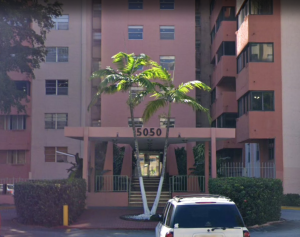
One of the hundreds of condominium buildings in Miami-Dade County. Courtesy, Google Earth
Florida’s condo market has taken a beating since the tragic Surfside building collapse – a development we have covered closely over the last several years. Tougher safety rules, including strict “milestone inspections” on condominium buildings have led to skyrocketing costs that often fall onto unsuspecting unit owners. Many buildings have missed inspection deadlines, and others have found themselves on a quasi-governmental blacklist, their unit owners unable to cut their losses and sell.
However, there is a glimmer of hope that passed this legislative session: HB 913 (and its Senate companion SB 1742) will enhance oversight, accountability, and transparency of condo associations while providing additional time the associations say they need to meet stricter safety standards. The bills passed unanimously in the House and Senate, along with revisions to the My Safe Florida Condominium Pilot Program and are now headed to the Governor, who has made condo reform one of his top priorities.
While the mandated inspections required under a 2022 law do strengthen condo safety, they bring financial challenges for many who cannot afford to pay for the structural integrity reserve studies that may be necessary on the aging buildings or the huge repair costs. The new legislation:
- Extends the December 31, 2025 deadline for any needed structural integrity studies by one year. (These studies are required if the milestone inspections under previous law revealed potential structural problems.)
- Clarifies that milestone inspections and structural integrity studies apply to buildings with three or more habitable stories (and not just three or more stories under previous laws).
- Pauses the requirement on condo associations to create reserve funds for building repairs for two years after completing the structural integrity study.
- Allows associations to use line of credit or levy special assessments with the approval of a majority of unit owners to fund repairs.
- Extends the deadline until Oct. 1, 2025, for local authorities to report information about which condos have been inspected or deemed uninhabitable.
There are other provisions you can read about here that pertain to Community Association Managers, engineers and contractors, and insurance requirements (see our Bill Watch for insurance specifics). This new legislation is meant to be an evolution of previous reforms, providing “critical flexibility” for condo associations and owners and seeing if a balance can be struck between safety and financial feasibility. These tweaks could help larger condominiums catch back up and get ahead of the curve, like Golden Key Condominiums in Bay Harbor Islands, as reported by the Miami Herald. It saw the Surfside tragedy as a wake-up call and got to work. A new roof, reinforced balconies and a fresh paint job meant that the three-story building received its recertification by the initial Jan. 1, 2025 deadline, without pushing astronomical cost increases onto owners.
The legislature this session also made revisions to the My Safe Florida Condominium Pilot Program under HB 393. It revises rules about roof repair and lowers the majority vote needed from unit owners to enroll from 100% to 75%. The combination of bringing stragglers up to standard and preparing for future hurricanes could bring stability and common-sense practice back to the struggling condo landscape.
“This is probably one of the most important pieces of legislation that this body is going to vote on,” said Sen. Nick DiCeglie (R-Indian Rock Beach). “Folks are hurting financially. They are up against making decisions of whether or not they are going to leave the dream called Florida. Many of them are on our coastlines, where it is paradise. Safety is also at the forefront of this issue. It is so incredibly difficult to balance that.”
 LMA Newsletter of 5-5-25