

Mortgage blacklist growing
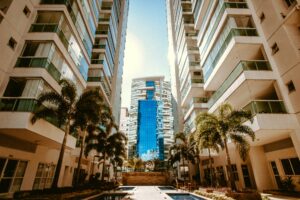 Just when you thought Florida’s condominium market couldn’t get any more strained comes news that federally chartered mortgage finance companies are outright refusing to help condo unit owners with loans in a growing number of designated buildings. Back in early 2022, we reported that real estate mortgage giant Fannie Mae had blacklisted 400 condo buildings as ineligible for loans. A few years later, the problem has gotten notably worse, as 1,438 buildings found their way onto the cursed list and many scrambling condo owners received rejections while trying to meet the new state condo regulations that have come about in response to the Surfside tragedy of 2021.
The effects of the loan denial are compounding, as some condo owners cannot afford condo association assessments for needed building repairs and will find it virtually impossible to sell units to anyone seeking conventional mortgage financing. Fannie Mae, together with its sister mortgage agency Freddie Mac, comprise around 70% of condo loans in the U.S., so mortgages that don’t conform to standards set by the companies can expect to be significantly pricier or much harder to qualify for. Part of qualification also includes extensive questionnaires – disclosing financial statements and building conditions if a condo owner wants to sell to someone seeking financing. Many times, those who apply for mortgages on condos are unaware of the building’s status or placement on the blacklist until they receive a rejection notice, as it is only available to lenders and servicers. While Fannie Mae initially promised to make the list publicly available as a new step towards transparency, it has not yet materialized.
Generally, this move by the mortgage giants can be seen as a reaction to the aforementioned Surfside collapse, which completely altered the condo landscape and countless lives with it after subsequent legislation passed in 2023 and 2024 requiring milestone inspections and building reserves for future repair and maintenance. Many buildings still have not filed for the required inspections or submitted reports that were due by the beginning of the year, and insurance rates are steadily climbing alongside projected repair costs which just adds to the dilemma. Inadequate coverage and unmet critical repairs are cited as the most common reasons condos may end up on Fannie Mae’s blacklist which means compounding stressors on Florida’s condo scene.
What this does leave, is room for a new shift towards bulk condo selling. Condo experts have begun to see associations selling to developers en masse to develop, repair, or even tear down complexes and start from the ground up. While a small percentage of condo owners in a given association can veto these sales, we have already seen the beginning of legislation to address this issue. Hopefully, with some forethought and well-intentioned legislation, Florida’s condo market can find a way to stay afloat during such trying times.
 LMA Newsletter of 4-7-25