
Plus, Florida agriculture ‘devastated’ by the deep freeze
 The recent cold snap may have cost Florida farmers up to $1.5 billion, surplus lines insurance companies report declining premiums, Citizens Property Insurance is returning to being the insurer of last resort, plus a needed examination of questionable engineering damage reports in insurance claims lawsuits. It’s all in this week’s Property Insurance News.

A damaged tomato plant at Blumenberry Farms in Sarasota, February 5, 2026. Courtesy, Bay News 9
Crop Damage: Declaring that Florida farmers “really got devastated” in last weekend’s three-night deep-freeze, state Agriculture Commissioner Wilton Simpson said early assessments show anywhere from $500 million to $1.5 billion in crop damage. “We don’t know the full extent yet of all the damage,” Simpson told Spectrum Bay News 9 this past Thursday. “Early assessments were the first night, we probably did okay. We were able to come through that. But three nights in a row, well below 32 for many, many hours, really has devastated agriculture.” Simpson said he’s awaiting a decision from the federal government for a disaster declaration. Portions of Central and North Florida dipped to 24 degrees both Saturday and Sunday mornings, and in some places Monday morning as well. The owner of Blumenberry Farms in Sarasota said she lost about 80% of the tomato crop and half of the farm’s green beans. Elsewhere, the deep cold may have permanently damaged some orange trees. Simpson said Florida supplies up to 80% of all fresh vegetables sold on the eastern seaboard in winter.
 Surplus Lines Premium Drops: We’ve reported about the up to double-digit rate decreases by Florida’s admitted property insurance companies over the past 13 months, tied to the 2022 and 2023 legislative reforms. Now, the surplus lines companies are reporting price decreases as well. The Florida Surplus Lines Service Office reports that dwelling premiums on multi-peril (HO-3) policies fell 8% in 2025 from the year prior for homes in the $100,000 to $300,000 value range, and by 6% in the higher $1 million to $3 million range. But premiums rose 5% for values in the $300,000 to $500,000, even as policy counts increased.
 Citizens Drops to Fifth Place: Part of the proof in the pudding of Florida’s recovering property insurance market is the gradual return of state-created Citizens Property Insurance to being the insurer of last resort, as originally designed. Its 2025 year-end policy count was 395,144, down from 1.26 million in September 2024, achieved through depopulation to the private market. It’s no longer the largest writer in Florida. The Office of Insurance Regulation reports that at year-end 2025, the biggest writer was State Farm, followed by Universal, Slide, Tower Hill, and then Citizens, with American Integrity, First Protective, American Bankers, Manatee, and Floridia Peninsula rounding out the top 10 writers in Florida.
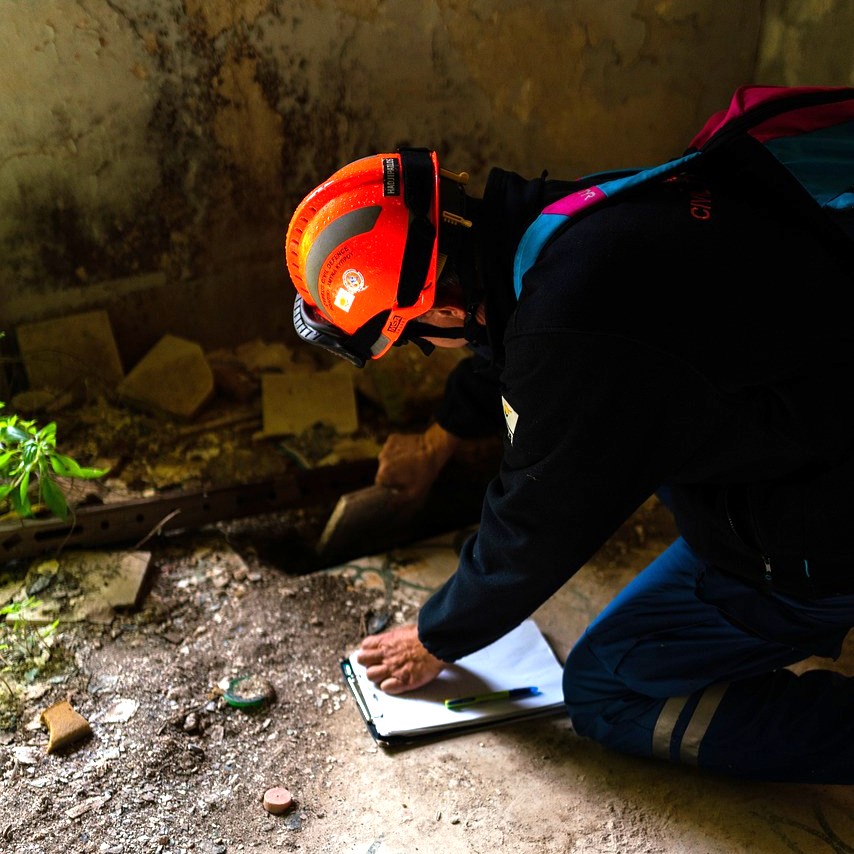 Engineers Practices: Working in the property insurance and disaster recovery space for several decades, I’ve heard some stories of damage claim lawsuits involving suspect testimony from a professional engineer on behalf of a plaintiff. So I read with great interest a recent article from William Rabb in the Insurance Journal about how an influx of new complaints is prompting the Florida Board of Professional Engineers to examine the issue. These complaints include major damage being claimed from minor wind events and in some cases, the engineer citing irrelevant or unproven research. “Some of these reports are just fraudulent. The engineer didn’t even go and look at the property—they just looked at photos,” John Pistorino, a veteran Miami structural and civil engineer who helped develop the stronger South Florida Building Code told Rabb. Pistorino said the Board, overseeing Florida’s 46,000 licensed Professional Engineers, has no rules on an engineer’s responsibility or ethics concerning a damage assessment.
Rabb reports the Board is now drafting proposed rules that would govern engineers’ practices in writing damage reports − requiring multiple criteria and new documentation. The article contains specific details, as well as thoughtful insight from those in the field, including insurance interests who’ve been frustrated about questionable engineering reports, amid mounting costs of insurance litigation. If you work in the disaster insurance and recovery realm, I urge you to read the story, and welcome your comments, always.
 LMA Newsletter of 2-9-26