

Case referred for criminal investigation
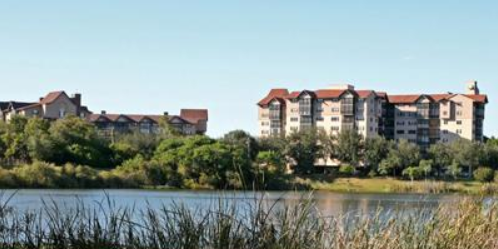
The Tampa Life Plan Village, Tampa, FL.
Many of us have senior-age parents and grandparents – our elders are often cornerstones in the community and in our everyday lives, yet they are also some of the most vulnerable among us. A reminder came last week when the Florida Office of Insurance Regulation (OIR) issued its final examination report on Tampa Life Plan Village, one of 72 Continuing Care Retirement Community (CCRC) facilities in Florida. OIR found Tampa Life violated Florida’s Insurance Code in mismanaging residential services, including shelter and nursing care, for more than 100 senior residents.
The investigation into Tampa Life, formerly known as University Village, started on March 1, 2024 and resulted in OIR finding nine violations of Florida Statutes and Rules. The findings included missing and inaccurate financial statements from 2020 onwards, which contained “material errors and misrepresentations directly impacting Tampa Life’s reporting of its minimum liquid reserve (MLR) requirement compliance.” Such negligence culminated in the Tampa Life Board becoming insolvent and pursuing Chapter 11 bankruptcy, informing OIR on April 3, 2024, just two days before they filed petition with the court. The mismanagement led to a cash flow loss each month, which was covered by UMB Bank with unapproved withdrawals from MLR accounts, and the financial freefall meant that the seniors under their care were not provided with the contractual services they were owed.

Florida Insurance Commissioner Michael Yaworsky, Courtesy, OIR
Since Tampa Life was unable to honor the life care contracts with its residents, and no buyers materialized, they began to move seniors into the care of other facilities. As of July 4, 2024, all residents were relocated and compensated to help cover the moving costs. Florida Insurance Commissioner Michael Yaworsky called the level of mismanagement “unprecedented and shocking,” including several years where quarterly and annual reports were never submitted, exposing some of the gaps in CCRC regulation under the OIR.
“Florida is seen as a beacon for the retirement community and these facilities often make generational promises that should always be fulfilled,” said Yaworsky, in a news release. “We must ensure this type of mismanagement never happens again, and I will continue to strongly advocate for more oversight control over these facilities.” OIR has referred the case for further criminal investigation.
We have seen this advocacy this legislative session in SB 1656, sponsored by Hillsborough County Senator Jay Collins (R). The bill only received one committee hearing early on this session and hasn’t moved since, but contains several important controls on CCRC acquisition, financials, and eligibility requirements which, if violated, would lead to the OIR revoking “a provider’s authority to conduct business relating to continuing care in this state.” (You can read the bill analysis, with the CCRC section beginning on page 18.)
We commend the commissioner and OIR for their efforts to bring about change for CCRC facilities across Florida. Good regulation starts with a catalyst, and this event may be the catalyst for changes in CCRC rules that haven’t been updated in decades. We applaud these and other efforts to further protect our senior citizens – it’s only right to look after those who once looked after us.
 LMA Newsletter of 4-28-25