

Plus, a new tool for resilient building
 The National Flood Insurance Program (NFIP) could be getting a huge overhaul under a package of bills from Florida Senator Rick Scott, and a new tool could help Florida homeowners weather flood risks and lower insurance costs. It’s all in this week’s Flood Digest.
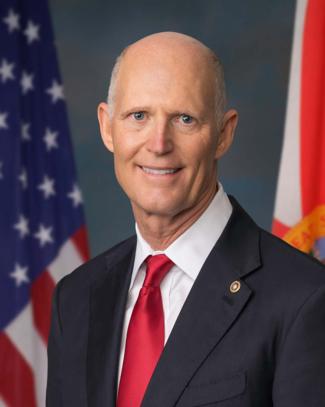
U.S. Senator Rick Scott (R-FL)
NFIP Facelift: Senator Rick Scott (R-FL) is leading the charge on flood insurance reform, starting with a slew of bills to get the NFIP back on track – focusing on transparency and keeping rates down with new private entrants to the market. With hurricane season in full swing and still a hazy future for FEMA (which oversees the NFIP), many Floridians’ homes and livelihoods hang in the balance. “The NFIP has historically been wildly inefficient, buried in debt and pushes unaffordable rate hikes that have been unfair to Florida’s taxpayers,” said Scott in a public statement. The following bills are included in his proposed package:
- Removing Barriers to Private Insurance Act, which would allow insurers participating in the NFIP’s Write Your Own program to offer private flood products, which is currently restricted. The change would extend to brokers, agents, and other firms that sell NFIP or private flood policies.
- Flood Insurance Consumer Choice Act, to allow policyholders back into NFIP policies after electing for private flood coverage. Currently, this would involve a penalty due to the lapse in federal coverage, but if passed, would enable those interested to meet continuous coverage requirements, effectively lowering rates.
- Flood Insurance Transparency Act, which makes flood claims data publicly accessible, including historical claims, risk assessments, policy information, and flood risk models in an effort to overhaul the secrecy surrounding the insurance process. Scott included privacy conditions in the bill, limiting the disclosure of policy terms and amounts, claims data including payouts, and specific ZIP codes and addresses, while still providing important data points to consumers. It would also provide the data that private insurance companies need to better assess risk and expand their coverage into desirable areas.

Hundreds of homes in coastal Pinellas County suffered flood damage from Hurricane Helene’s 10-15 foot storm surge. Courtesy, Pinellas County Sheriff’s Office
Resilient Building Materials: Flood risks in Florida have been a constant threat – rising waters causing compounding issues for homeowners and communities at large. Enter UF’s team of researchers at the College of Design, Construction and Planning, and their new groundbreaking tool SAMPL. SAMPL stands for Sustainable Adaptive Material Performance Level and uses advanced modeling to simulate how materials respond to water-related damage and an assortment of other risks. A given materials’ likelihood of surviving water intrusion comes down to three major metrics: strength, symbiosis, and sustainability. In general, the team needs to know how well certain materials perform under pressure and repeated exposure to moisture, which can cause long-term problems for traditional building materials. The work was part of a state-funded initiative commissioned by the Florida Office of Insurance Regulation, which asked UF researchers to explore how enhancing the resilience of single-family homes could help lower insurance premiums.
The goal of the project is to help both legislators and homeowners have a shared rubric and language for resilient materials in-line with proposed legislation that provides tax incentives based on resilient building practices. Already the findings have contributed to the Resilience Inference Performance Level (RIPL) report, a document aiming to get insurance regulators, builders, and homeowners on the same page about saving money and reducing risk in residential construction. And while the program is currently tuned for flood damage, it could serve as operational framework for several other issues like wildfires.
 LMA Newsletter of 6-30-25