

As Ford premiers first autonomous police vehicle
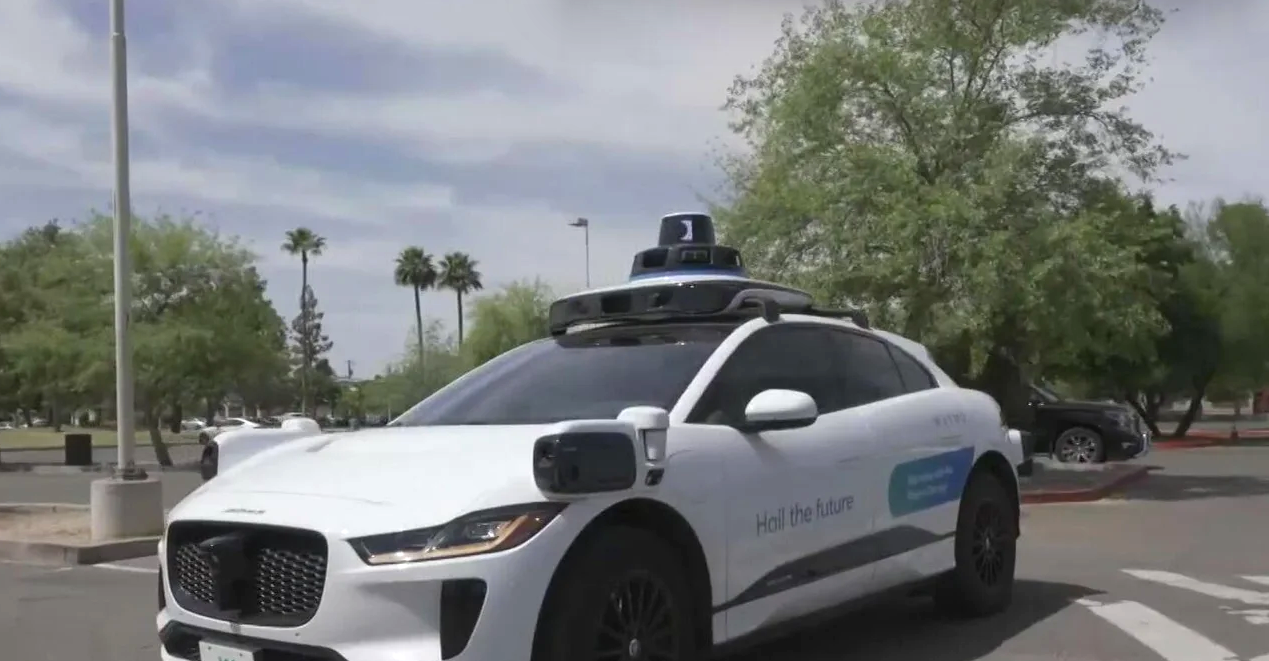
A Waymo robotaxi in Miami
Google sister company Waymo and its self-driving cars are set for a large market expansion in 2026, starting the year off in Miami last month as the sixth locale to offer the driverless taxi experience. With the addition, Waymo has extended its lead over competitors Tesla and Amazon, offering its services in a 60-square-mile area including Miami’s Design District, Wynwood, Brickell and Coral Gables. (You can watch it in action here.) Tests in Miami started back in 2025, and some 10,000 residents have already signed up to use the robotaxi service, adding to the 450,000 weekly paid rides already serviced across their Austin, Atlanta, Los Angeles, Phoenix, and San Francisco markets. Further expansion is in sight, including Dallas, Denver, Detroit, Houston, Las Vegas, Nashville, Orlando, San Antonio, San Diego and Washington.
Much of Waymo’s marketing focuses on the claim of being safer than human drivers, even claiming “tenfold” fewer crashes with the robots. But problems like the San Francisco Bay Area blackout in late December 2025 have called these safety claims into question, as the autonomous cars stopped completely without the traffic lights and other infrastructure to guide them, causing traffic jams and even further chaos. Waymo representatives were quick to pause service in the area and problem solve, but many have seen the stoppage as emblematic of a larger issue. “If there’s negligence or wrongdoing in how these companies maintain programs or build this product, the amount of harm that can result is humongous because it is a system. It’s not just one vehicle,” said Stuart Ratzan, founding partner at the Ratzan Weissman & Boldt law firm, and expert in road safety and transportation law in a phone interview with Daily Business Review. Ratzan says that the burden of any liability claim will most likely shift as a result of the larger system at play behind the scenes. Any injured party cannot go after a negligent driver who doesn’t exist, but instead a company with systemic issues, be that the car manufacturer or the programmer.
Others still believe in the company’s goal of reducing the huge number of injuries on roadways each year, with local politicians, and groups such as Mothers Against Drunk Driving championing the company’s website statistics showing “Waymo cars see 90% fewer serious injury or fatality crashes, 82% fewer airbag deployments, and 92% fewer injury-causing collisions with pedestrians.” In fact, a child in California was struck by a Waymo in January, and the driverless car was able to decelerate from 17mph to 6mph before making contact causing only minor injuries. While there is an ongoing probe from the U.S. National Highway Traffic Safety Administration, the company claims a “fully attentive human driver in this same situation” would’ve only slowed to 14mph. The case has received significant coverage in the ongoing debate surrounding the ever-increasing presence of AI in our daily lives.
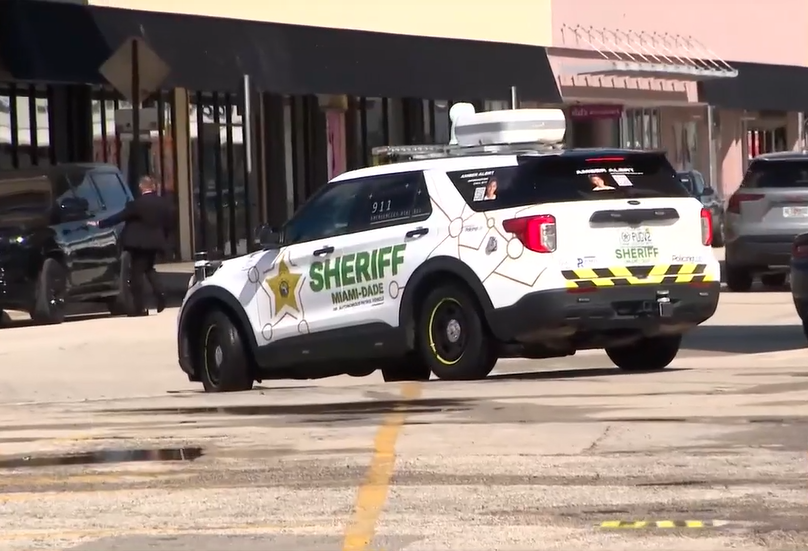
“PUG” the Ford Police Interceptor autonomous vehicle on a Miami street, October 1, 2025. Courtesy, WPLG-TV
Even with these events and debates, the self-driving car market surges onwards and upwards, reporting 14 million trips in 2025 and $15 billion in potential funding. Miami-Dade has even seen the first self-driving police vehicle, developed by Ford as an augmented version of their Explorer model, with many interesting features. (You can watch it in action here.) Only time will tell if these cars have as much promise as their parent companies and other proponents believe they do – but for now, it looks like the human driver could soon be outdated.
See you on the trail,
Lisa
 LMA Newsletter of 2-23-26