

A new report on storm risk & construction costs
 Signs show our lazy 2025 hurricane season won’t last, one in four homes in the U.S. are at risk from extreme weather, and tariffs are raising home construction prices across Florida. It’s all in this week’s Environmental and Engineering Digest.
 A Sleepy 2025 Season: No major hurricanes come mid-September has been a nice surprise for everyone, homeowners and meteorologists alike. This is traditionally the peak of hurricane season, when warm waters supercharge tropical storms and send them flying across the Atlantic – but experts warn the quiet won’t last. The months ahead are still expected to bring some storm activity, especially considering the high ocean temperatures that usually spell disaster. So why have we seen little to no activity so far? The Miami Herald explored this question and found the leading speculation by scientists is that the air high above the Atlantic has also warmed considerably, which slims the gap between ocean and air temperatures creating atmospheric stability. Dry air and strong wind shear have also begun to inhibit any would-be hurricanes, removing many of the requisite ingredients for a big storm. However, once the high air starts to cool with the arrival of autumn months, the temperature difference will be there and with it, potential for violent storms. “If verified, some researchers suggest this respite also could be a glimpse of future hurricane seasons, with the historic early-to-mid-September peak pushed back on the calendar,” writes the Herald.
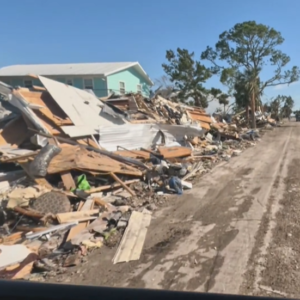
Hurricane Helene damage at Horseshoe Beach, FL
25% of U.S. Homes at Risk: Extreme weather events have become more common – and more extreme. A report from Realtor.com found that just over one in four homes in the U.S., $13 trillion in value, are exposed to “severe or extreme climate risk,” which isn’t just a problem for homeowners, it fundamentally changes the functionality of insurance too. The biggest danger is hurricane-related wind damage, affecting 18% of homes, followed by flood risk (6% of homes), and wildfire risk (5.6%). These high-risk numbers are particularly problematic for homeowners in low-value markets, which happens to be many parts of Louisiana and Florida, where homeowners pay proportionally much higher percentages of their property value in insurance premiums. Private insurance companies and the federal government, through the NFIP, have raised premiums to reflect the higher likelihood of disaster, which puts strain on homeowners from both directions. Risk mapping and analysis have become huge industries in recent years with the accelerated rate of disaster thanks to the growing frequency and severity of storms. Homeowners, buyers, lenders, and government agencies all want to see the inherent risks in their investments. Disclosing this information has become a hot-button issue. Florida and two dozen other states require some flood disclosure, California requires wildfire disclosure, and others are still considering similar actions, although no national climate risk exposure standards exist.
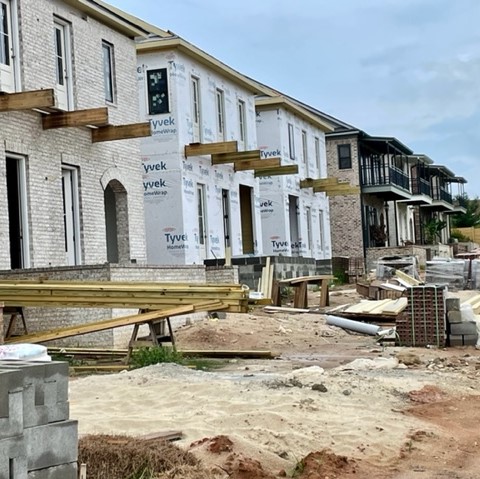 Florida Construction Costs Rise: The Sunshine State is a hotbed for development, but the rising prices of construction materials have made new homes and roads considerably more expensive, according to a report from Florida TaxWatch. “Higher costs of construction materials in Florida can raise the price of a house by approximately $10,000,” the report said. “The Florida Department of Transportation also expects a rise in cost of construction of 5% to 9%.” Because the U.S. imports 75% of its lumber from Canada and gets gypsum for drywall from Mexico, tariffs have caused a marked increase in the cost of construction and a 4% overrun in affordable housing projects. Fabricated metal for things like bridges has jumped even higher, up 22.5%, and domestic production has not yet caught up to bring these costs down stateside. Materials like crushed stone, which are made right here in Florida, cannot meet the demand in the state leading to more imports. Even with these costs rising considerably, Florida is still booming in both population and urban development – with the construction industry expected to grow by 7% in 2025.
 LMA Newsletter of 9-22-25